There is a Japanese film called Kamome Diner, about a Japanese woman who opens a restaurant in Helsinki.
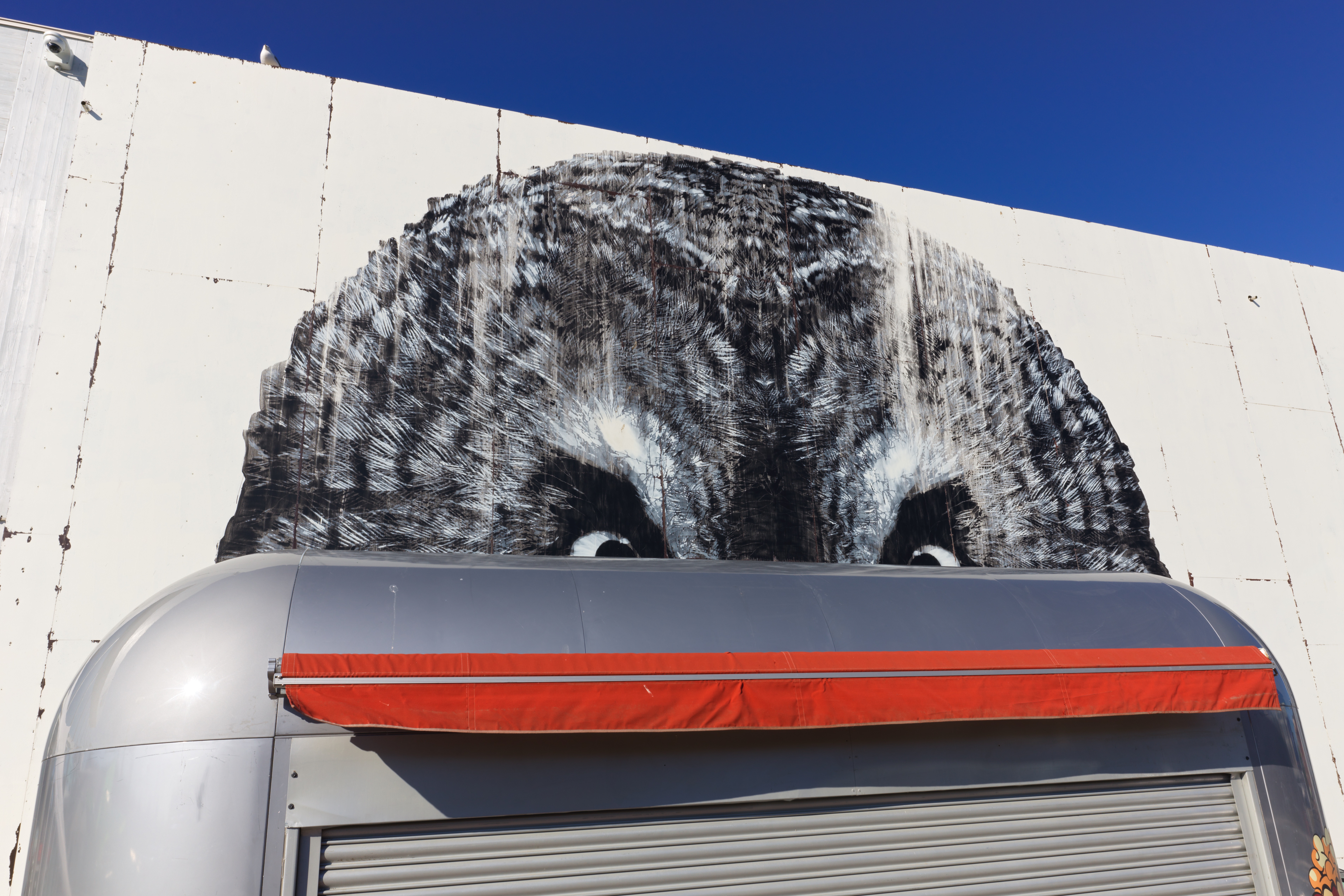
Of course, despite its name—Seagull Diner—the restaurant is meant for people, not for seagulls. But if there truly were such a thing as a “seagull diner,” I think it would be all of Helsinki itself. To prevent the seagulls from developing obesity, the well-intentioned, socialist Finns have thoughtfully installed bird nets and anti-bird spikes outside nearly every restaurant. Judging by the appearance of these seagulls, this diner’s food must be far better than my university cafeteria.
Finnish seagulls are indeed everywhere, and they are enormous. Their feathers shine with health; they look fitter than the generally tall and gaunt Finns themselves—and far less socially anxious. They compete with humans for food with remarkable enthusiasm.
All in all, I think Finnish seagulls enjoy a higher happiness index than the humans living alongside them.
Even at the summer solstice, Finland’s temperature barely climbs past the low twenties Celsius. A sudden gust of wind can make it feel like winter again. On the day I arrived, the sun was dazzling. As I walked along the street, I heard locals behind me say, “The weather today is really strange.” Yet even as they described it as “strange” or “abnormal,” before long they would all run to sit on the broad steps of the white cathedral, staring straight into the sun.
At eleven at night, the sky was still faintly bright. Thinking that the sun would rise again in just four hours made me feel physically unwell.
People always say the Nordic countries are wonderful—beautiful mountains, clean water, generous welfare systems. But only after arriving did I realize that the extreme environment of endless summer daylight and endless winter darkness alone is enough to make one uncomfortable. No wonder depression is so prevalent here. Seagulls, however, do not suffer from depression. Perhaps they are better suited to life in this place.
To avoid burdening society, many Nordic people take time in winter to fly south, seeking more pleasant temperatures and sunlight. Many seagulls that cannot endure the high-latitude winter also migrate because of the weather—but they can simply flap their wings and head south, without paying for plane tickets. In fact, they don’t pay for food or lodging either. By this measure, Finnish seagulls once again outdo Finnish humans.
After walking around the city for two hours, I realized Helsinki seems no bigger than the palm of a hand. I’m not sure whether it truly is that small, or whether it’s because every rooftop, square, church, and the space beneath every restaurant chair hosts a seagull—making the entire city blur into sameness and causing a kind of aesthetic fatigue.
And Finnish food, frankly, is not very good. It’s all fish. The best food in Finland is Japanese cuisine—also fish, but fish that tastes far better than Finnish fish.